
Roof replacement
Roof replacement, recommended only when the roof has earned it
Replacement is the right answer sometimes. When it is, you should be able to see exactly why in the evidence, not just be told it in a sales pitch.
- A written scope covering tear-off, decking, underlayment, ventilation and flashing
- Material and profile options explained with their real trade-offs in this climate
- No commissioned salespeople anywhere in the process
How we decide
Repair first. Replace when the evidence supports it.
Our default position is repair. That is not a marketing line — it is how we assess every roof we are called to. A roof gets recommended for replacement when its problems are systemic rather than local: when the materials have deteriorated across the whole surface, when the underlayment beneath has failed, or when the structure below has taken on water damage that a surface repair cannot address.
When we reach that conclusion we will show you what we found. Photographs of the decking, of the underlayment condition, of the areas where the roofing has given up. You should be able to look at the same evidence we did and reach the same conclusion.
Signs a roof is genuinely finished
- Multiple active leaks in different areas of the roof at the same time
- Widespread granule loss leaving the shingle mat exposed across large sections
- Underlayment that is brittle, torn or delaminating when the roofing is lifted
- Extensive curling, cupping or cracking rather than damage confined to one slope
- Decking that flexes underfoot or shows rot across more than isolated sheets
- Repair costs that are approaching a meaningful fraction of replacement on a roof near the end of its life
Note what is not on that list: age by itself. A twenty-two year old roof that was well installed, well ventilated and kept clear of moss can outlast a fifteen year old roof that was neither. We assess the roof in front of us, not the number on the paperwork.
Roofing materials for this climate
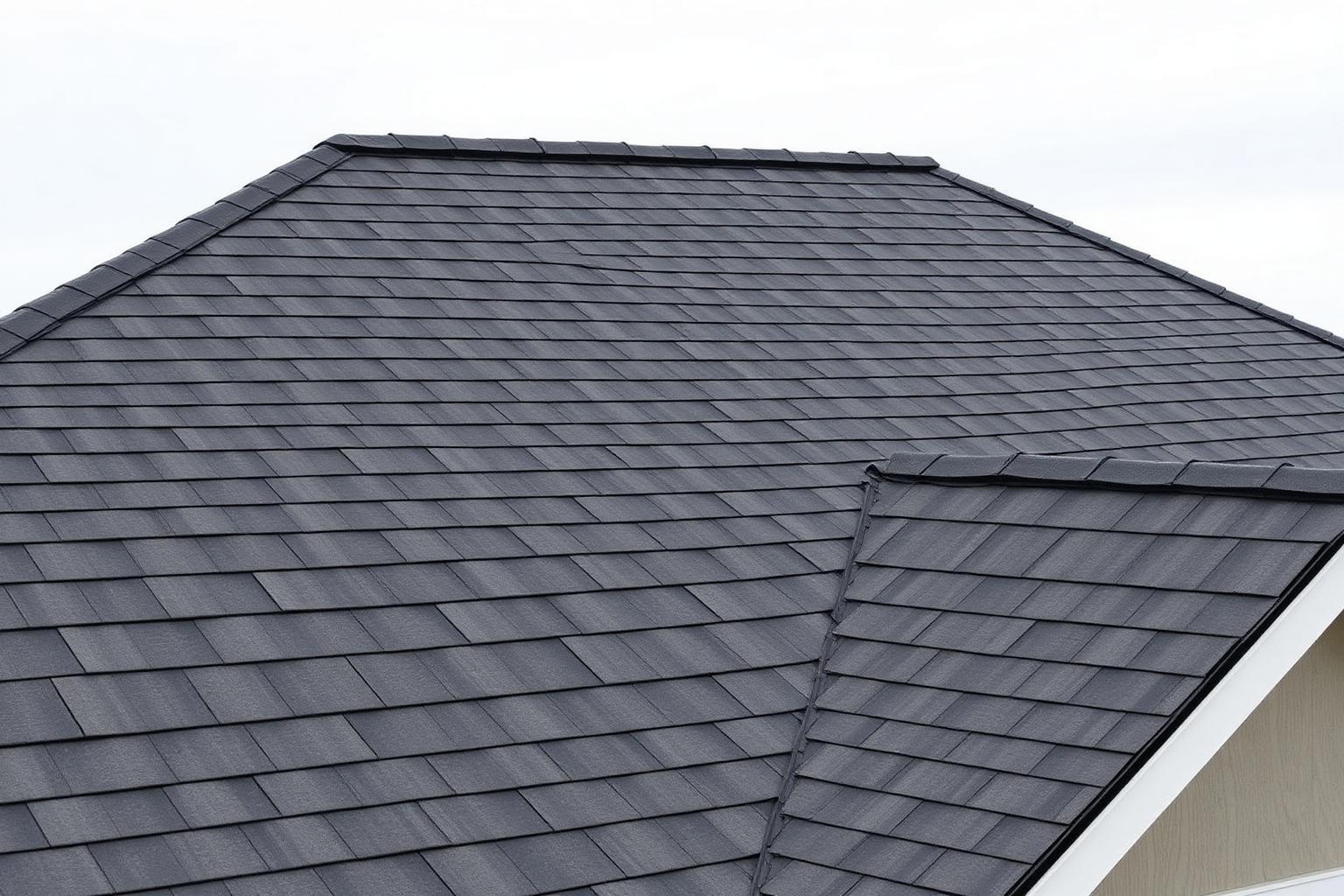
Architectural composition shingle is the workhorse of the region: cost-effective, widely available, and well proven in Puget Sound conditions when installed with proper ventilation and flashing.
Metal roofing costs more up front and lasts considerably longer, sheds debris well and handles the constant wet without absorbing it. It suits homeowners planning to stay put.
Cedar shake remains right for certain homes and neighborhoods, and it demands maintenance to survive in a climate this damp. We will be honest with you about that commitment before you choose it.
Tile and specialty profiles work where the structure supports the weight and the architecture calls for it. Flat and low-slope sections need membrane systems instead — see our flat roofing page.
What replacement costs depend on
Square footage and pitch, the number of layers to remove, decking condition once exposed, the complexity of the roof geometry, the material chosen, and the amount of flashing and penetration detail involved. We would rather give you an accurate number after seeing the roof than an attractive number over the phone that changes later.
If the timing is difficult, financing may make the difference — see the financing page.
Scope of work
What a proper replacement includes
Every one of these appears in the written scope, so you can compare our estimate against anyone else's on equal terms.
Tear-off and disposal
Decking inspection and repair
Ventilation and intake
Underlayment and ice-and-water
Flashing renewed, not reused
Cleanup and completion
Been told you need a new roof?
Get a second opinion from a contractor whose staff are not paid a percentage of the sale. Sometimes the second opinion is the same. Often it is not.