
Maintenance and inspections
Roof maintenance is how you avoid the replacement conversation
Nearly every expensive roofing failure we are called to started as a small, cheap, findable problem. Scheduled inspection is the least glamorous and most effective roofing money you will spend.
- Inspection with written findings and a prioritized list, not a sales proposal
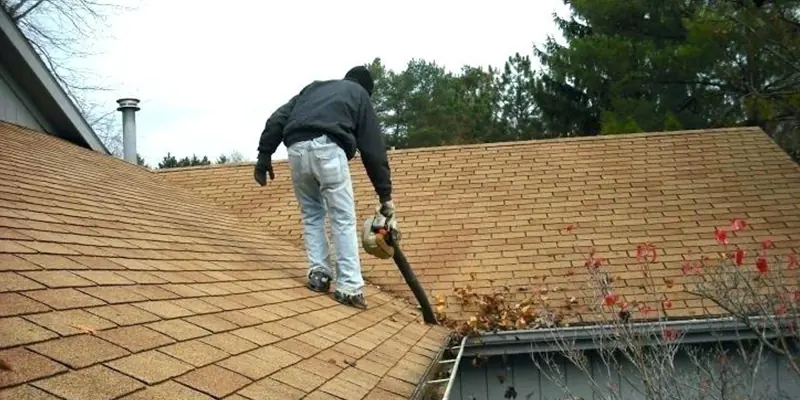
- Debris clearing, drainage and small-detail repair handled on the same visit
- Recurring programs for homeowners, HOAs and property portfolios
Why it matters here
Pacific Northwest roofs do not fail suddenly
They fail slowly, in the dark, under moss, through a season of steady rain. A pipe boot splits in July and nobody notices until a stain appears on a bedroom ceiling in November. By then the water has been in the sheathing and insulation for months, and the repair bill includes drywall, paint and sometimes framing.
The same failure caught during an inspection is a small, inexpensive job. That gap — between a cheap fix and an expensive consequence — is the entire argument for maintenance, and it is much wider in this climate than in a drier one.
How often a roof should be looked at
For most Puget Sound homes, once a year is sensible, ideally in late summer or early autumn before the wet season sets in properly. Roofs under heavy tree cover, roofs with complex geometry, flat and low-slope roofs, and roofs past the midpoint of their expected life benefit from twice a year. After a significant windstorm is always worth a look regardless of schedule.
Roof asset management for multiple properties
If you are responsible for more than a handful of roofs, the useful output is not a stack of individual inspection reports — it is a plan. We document each roof's condition and estimated remaining service life, then help you sequence repairs and replacements across budget years so that nothing fails unexpectedly and nothing gets replaced years earlier than it needed to be.
That plan gets updated as roofs age and as work is completed, so a board or an owner is always looking at current information rather than a reserve study written before the last two winters.
Maintenance is not the same as cleaning
Clearing moss and debris is part of maintenance, but it is not all of it, and moss removal done badly damages roofing. See roof cleaning and moss treatment for how we approach that specifically.
What we check
A roof inspection that produces findings, not a pitch
Flashing and transitions
Penetrations and pipe boots
Moss, debris and drainage
Field condition
Ventilation and attic evidence
Written findings and priorities
Want the roof looked at before the rain arrives?
Late summer and early autumn are the right time. Get on the schedule and go into the wet season knowing what condition your roof is actually in.