
Roof cleaning and moss treatment
Moss removal that protects the roof instead of damaging it
Moss is not a cosmetic problem in the Pacific Northwest. It holds moisture against roofing, lifts shingles and tiles apart, and measurably shortens the life of the roof underneath it.
- No pressure washing on composition roofing — it strips the granules that protect the shingle
- Debris, valley and gutter-line clearing so water leaves the roof properly
- Treatment approach matched to the roofing material, exposure and tree cover
Method
How the roof is cleaned matters as much as whether it is cleaned
The fastest way to remove moss from a composition roof is also the fastest way to destroy it. Pressure washing blasts away the mineral granules that shield the asphalt from ultraviolet light. The roof looks clean for a season and then ages several years in the space of one. We do not pressure wash composition roofing, and we would encourage you to be wary of anyone who offers to.
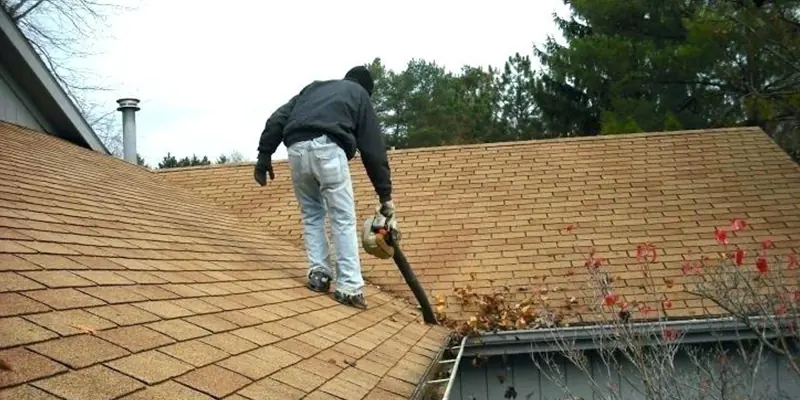
Our approach is gentler and slower: physical removal of heavy growth without gouging the surface, clearing of debris from valleys, gutter lines and behind penetrations so water can actually drain, and treatment appropriate to the roofing material to slow regrowth.
Different materials, different handling
Composition shingle needs the granule surface preserved. Cedar shake needs the wood kept intact and able to dry. Tile is walkable only in specific places and cracks if treated carelessly. Metal handles cleaning well but its fasteners and seams should be checked afterwards. Treating every roof the same way is how cleaning turns into damage.
We look at the roof while we are up there
Cleaning puts a roofer on your roof, which is a good opportunity to notice a split pipe boot, a lifted flashing or a section that is genuinely wearing out. We will tell you what we saw. If it is nothing, we will tell you that too — the point of the visit was the cleaning.
Keeping it from coming straight back
Under heavy tree cover in this climate, moss returns. What changes the timeline is trimming back overhanging branches where practical, keeping debris out of valleys and gutters, and revisiting the roof on a sensible schedule rather than waiting for the growth to become severe again. That is usually best handled as part of regular roof maintenance.
Watch
Seattle Roofing: Moss on Shingles? Avoid Pressure Washing
Moss on Seattle shingle roofs needs careful handling. Learn why pressure washing can damage the protective granule surface and why cleaning should be matched to the roofing material.
Why moss matters
What moss is doing to the roof underneath
Moss holds water against the roof
It lifts and separates roofing
Debris feeds the problem
Shade makes it inevitable
A caution about pressure washing. If a roof cleaning quote is dramatically cheaper than the others, ask specifically what equipment will be used. Granule loss from pressure washing is not reversible, and it is not covered by a shingle manufacturer's warranty.
Moss taking over the north slope?
Get it removed properly before the wet season, and find out at the same time whether it has already caused damage underneath.